

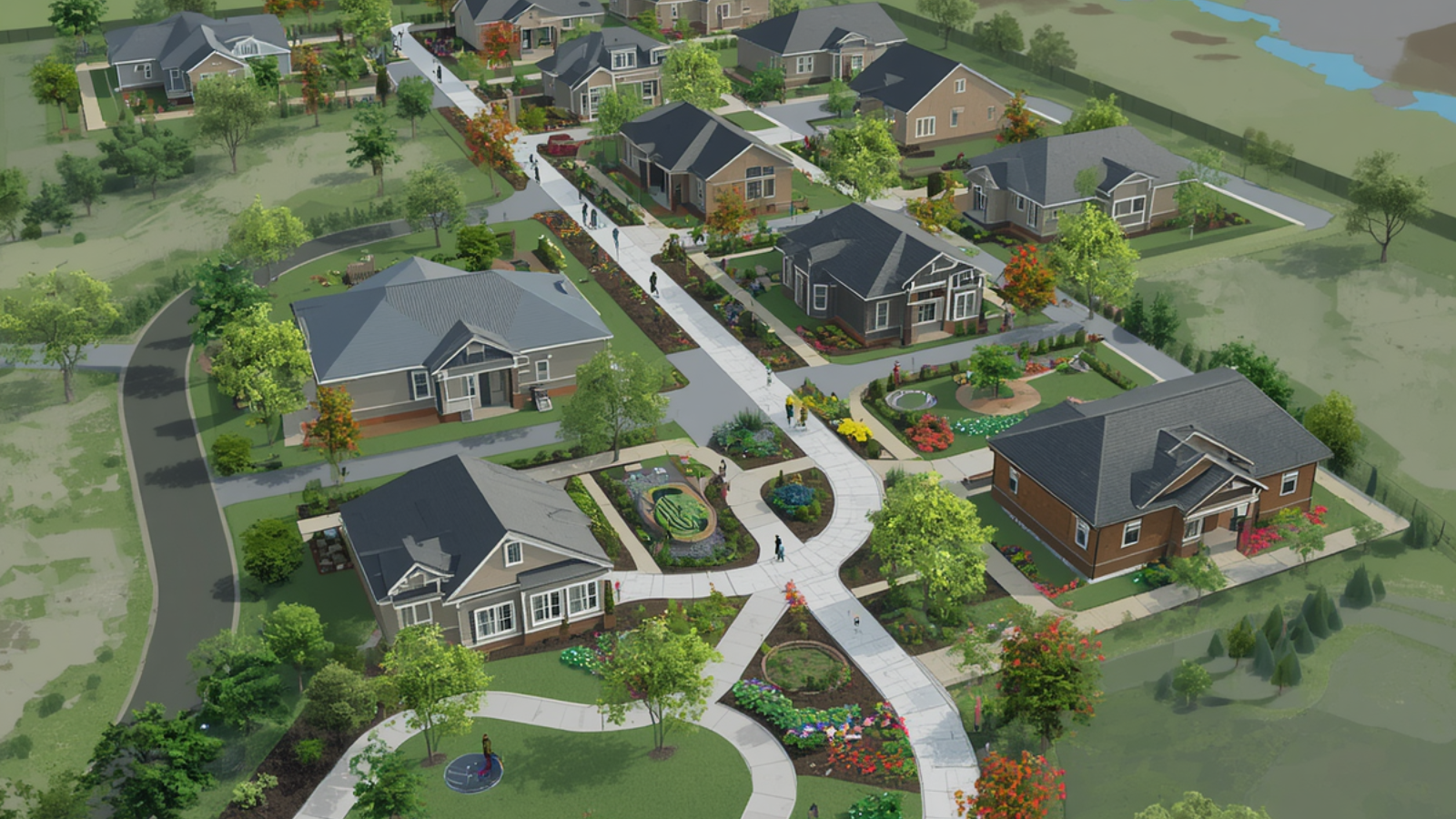
Landscaping plays a major role in shaping the appearance, functionality, and value of any homeowners association (HOA) community. In Anchorage, however, landscaping involves more than simply planting flowers or mowing lawns. The region’s unique climate, short growing season, and harsh winters require thoughtful planning and long-term maintenance strategies.
For HOA boards and community associations, effective landscaping planning helps create attractive outdoor spaces while also protecting infrastructure, improving drainage, and reducing future maintenance costs.
This guide explores the key considerations for landscaping planning in Anchorage HOA communities and how associations can prepare for both seasonal beauty and long-term sustainability.
Why Landscaping Planning Matters for HOA Communities
Landscaping is often one of the first things residents and visitors notice about a community.
Well-maintained outdoor spaces can:
- Enhance curb appeal
- Improve resident satisfaction
- Support property values
- Reduce erosion and drainage problems
- Create safer and more usable common areas
Poor landscaping planning, on the other hand, can lead to:
- High maintenance costs
- Dead or damaged plants
- Water drainage issues
- Safety hazards during winter months
In Anchorage, strategic landscaping is especially important because environmental conditions can quickly impact outdoor areas.
Understanding Anchorage’s Unique Climate Challenges
HOA landscaping plans in Anchorage must account for:
Long Winters
Snow cover and freezing temperatures can damage:
- Grass and plant roots
- Irrigation systems
- Walkways and retaining walls
Short Growing Season
Anchorage has a relatively brief summer season, limiting the time available for planting and growth.
Drainage and Moisture Issues
Snowmelt and heavy seasonal moisture can create:
- Soil erosion
- Flooding in low areas
- Foundation and pavement damage
Wind and Temperature Extremes
Cold winds and fluctuating temperatures can stress plants and reduce their lifespan.
Because of these factors, landscaping plans need to focus on durability, adaptability, and long-term maintenance.
Key Elements of an HOA Landscaping Plan
1. Seasonal Maintenance Planning
Landscaping in Anchorage requires year-round attention—even when snow covers the ground.
Spring Tasks:
- Snow damage assessment
- Soil preparation
- Replanting and fertilization
Summer Tasks:
- Lawn care and irrigation management
- Weed control
- Tree and shrub maintenance
Fall Tasks:
- Preparing plants for winter
- Clearing leaves and debris
- Winterizing irrigation systems
Winter Tasks:
- Snow removal planning
- Protecting walkways and landscaping features
A seasonal approach helps HOAs stay organized and proactive.
Choosing the Right Plants for Anchorage
Plant selection is one of the most important parts of landscaping planning.
Ideal Plants for Anchorage HOA Communities:
- Native Alaskan plants
- Cold-hardy shrubs and perennials
- Low-maintenance ground cover
- Trees suited for northern climates
Using native and climate-adapted plants can:
- Reduce maintenance needs
- Improve survival rates
- Lower water usage
The University of Alaska Fairbanks provides helpful landscaping and gardening resources specifically for Alaska climates.
Drainage and Water Management
One of the biggest landscaping concerns in Anchorage is managing snowmelt and water runoff.
Effective Drainage Strategies:
- Grading landscapes properly
- Installing drainage systems where needed
- Using erosion-resistant plants
- Keeping gutters and downspouts clear
Poor drainage can lead to:
- Foundation issues
- Pavement cracking
- Standing water and ice hazards
Landscaping should support—not work against—the community’s drainage infrastructure.
Balancing Aesthetics and Maintenance Costs
Beautiful landscaping is important, but HOA boards must also consider:
- Budget limitations
- Long-term upkeep costs
- Vendor availability
Smart Cost-Saving Strategies:
- Use low-maintenance plants
- Reduce excessive lawn areas
- Incorporate mulch and hardscaping
- Prioritize sustainable landscaping designs
A balanced approach helps communities remain attractive without overextending maintenance budgets.
Landscaping and Resident Safety
Landscaping isn’t just cosmetic—it also affects safety.
Important Safety Considerations:
- Keeping pathways visible and accessible
- Preventing overgrown vegetation near walkways
- Managing tree branches that may break under snow load
- Designing snow storage areas carefully
Proper planning reduces liability risks and improves accessibility year-round.
Planning Landscaping Projects Around Anchorage’s Seasons
Timing is critical for landscaping projects in Alaska.
Best Times for Major Landscaping Work:
- Late spring through early fall
This limited construction and planting season means HOAs should:
- Schedule projects early
- Secure vendors in advance
- Prioritize essential upgrades first
Waiting too long can delay projects until the following year.
Working with Landscaping Vendors
Selecting experienced vendors is key to successful landscaping management.
What HOAs Should Look For:
- Experience with Alaska climates
- Knowledge of native plants
- Clear maintenance schedules
- Proper licensing and insurance
Strong vendor communication also helps ensure expectations are met consistently.
Sustainability and Long-Term Planning
Many HOA communities are exploring more sustainable landscaping practices.
Sustainable Options Include:
- Native plant landscaping
- Reduced water usage
- Energy-efficient outdoor lighting
- Erosion control measures
These strategies can reduce long-term maintenance costs while supporting environmental resilience.
Common Landscaping Challenges for Anchorage HOAs
Winter Damage
Snow and ice can damage:
- Grass
- Trees
- Hardscaping features
Budget Constraints
Landscaping is often one of the largest maintenance expenses for HOAs.
Plant Survival
Not all plants thrive in Alaska’s climate.
Short Project Timelines
The brief summer season creates scheduling pressure for vendors and contractors.
Recognizing these challenges helps communities plan more effectively.
The Role of HOA Boards in Landscaping Planning
HOA boards are responsible for:
- Approving landscaping budgets
- Prioritizing maintenance projects
- Balancing aesthetics with practicality
- Ensuring common areas remain safe and attractive
Long-term landscaping planning supports both property values and community satisfaction.
When Professional Support Can Help
Managing landscaping projects, seasonal maintenance, and vendor coordination can be time-consuming for volunteer HOA boards.
Professional management support can assist with:
- Vendor coordination
- Seasonal scheduling
- Budget planning
- Maintenance oversight
If your HOA community is reviewing its landscaping strategy or preparing for seasonal projects, you can explore additional resources by visiting our association page or connecting through their contact page for further guidance.
Final Thoughts
Landscaping planning for HOA communities in Anchorage requires more than visual design—it requires careful consideration of climate, maintenance, drainage, and long-term sustainability.
By creating a proactive landscaping strategy, HOA communities can:
- Improve curb appeal
- Enhance resident satisfaction
- Protect infrastructure
- Reduce long-term maintenance costs
With proper planning and consistent upkeep, landscaping becomes an investment in the long-term health and beauty of the community.
This content is provided for general informational and educational purposes only and does not constitute financial, legal, tax, or investment advice. Readers should consult with licensed professionals regarding their specific circumstances.
We are pledged to the letter and spirit of U.S. policy for the achievement of equal housing opportunity throughout the Nation. See Equal Housing Opportunity Statement for more information.
